

A Hidden Natural Gem Amid Mumbai’s Urban Rush
Mumbai is often called the city that never sleeps, a hub of culture, finance, and endless activity. But hidden amidst the skyscrapers, traffic, and chaos lies an unexpected paradise for nature lovers—Sewri Flamingo Point. Every winter, this quiet mudflat transforms into one of the most spectacular birdwatching destinations in India. Thousands of flamingos descend on the shores, turning the grey-brown mudflats into a sea of pink.
For birdwatchers, photographers, and even casual visitors, Sewri is more than just a viewing point—it’s an experience that brings you close to the wonders of nature without ever leaving the city. In this blog, we’ll take you through everything you need to know about this magical spot, from its seasonal highlights to the best time to visit.
The Charm of Sewri Flamingo Point
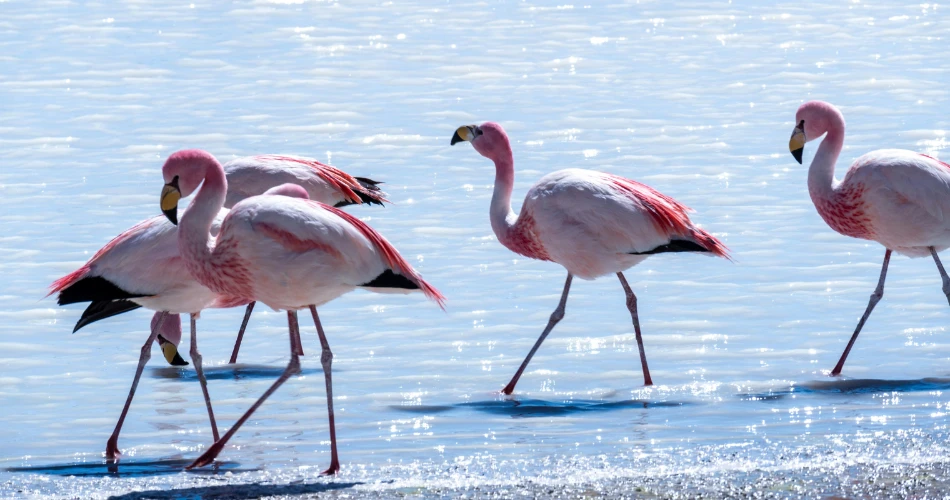
Nestled along the eastern coast of Mumbai, Sewri Flamingo Point is part of the Sewri mudflats, a wetland ecosystem that attracts migratory birds from across the world. Between November and May, thousands of lesser flamingos, and occasionally greater flamingos, arrive here after a long journey from the Rann of Kutch and beyond.
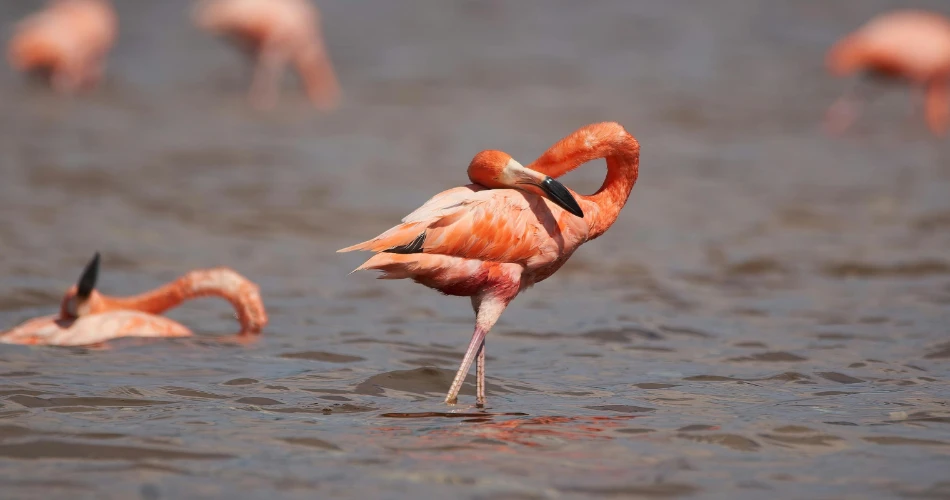
The sight is surreal—long-legged pink birds standing gracefully in shallow waters, feeding on algae and creating a breathtaking landscape. For city dwellers, it’s a reminder that Mumbai is more than its fast-paced life; it’s also a place where nature quietly thrives.
Why Flamingos Love Sewri
The mudflats at Sewri provide the perfect breeding ground for flamingos. These wetlands are rich in blue-green algae, the primary diet of these birds. The tidal patterns, shallow waters, and the relative calm of the area create an environment where flamingos feel safe and abundant.
Interestingly, the pink hue of the flamingos comes from the carotenoid pigments in the algae they eat. So, the richer the food supply, the more vibrant the flocks appear. Apart from flamingos, the mudflats are also home to other migratory species like sandpipers, egrets, black-headed ibis, and herons, making it a diverse birdwatching spot.
Best Time to Visit Sewri Flamingo Point
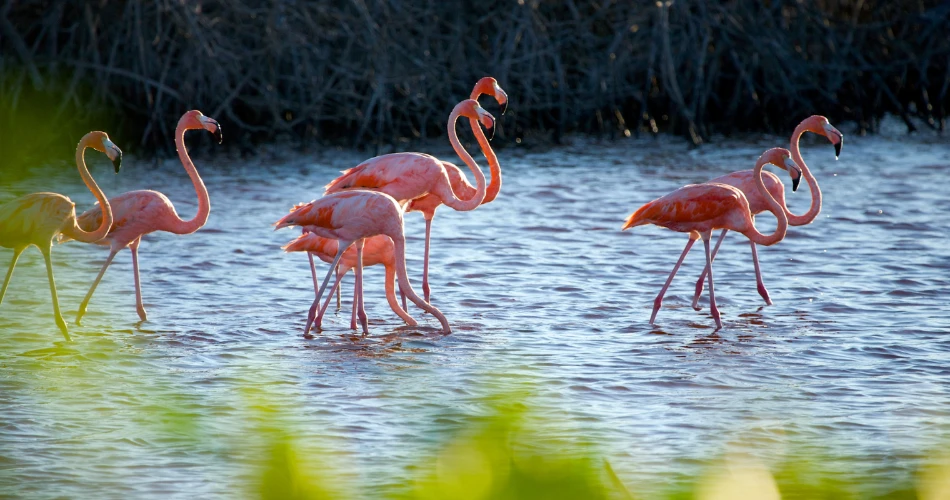
The flamingo season in Mumbai begins around November, when the first groups arrive. However, the best time to visit Sewri Flamingo Point is between January and March, when the flocks are at their peak. Early mornings are ideal, as the light is softer, the birds are more active, and the view is far more enchanting.
By April and May, the flamingos begin their return journey, leaving behind only memories until the next season. Planning your trip during these months ensures you catch the full vibrancy of this natural spectacle.
The Experience at Sewri
Unlike traditional tourist attractions, Sewri Flamingo Point is not commercialized. You won’t find ticket counters, souvenir shops, or large crowds. Instead, you’ll experience a peaceful stretch of coast where nature speaks for itself.
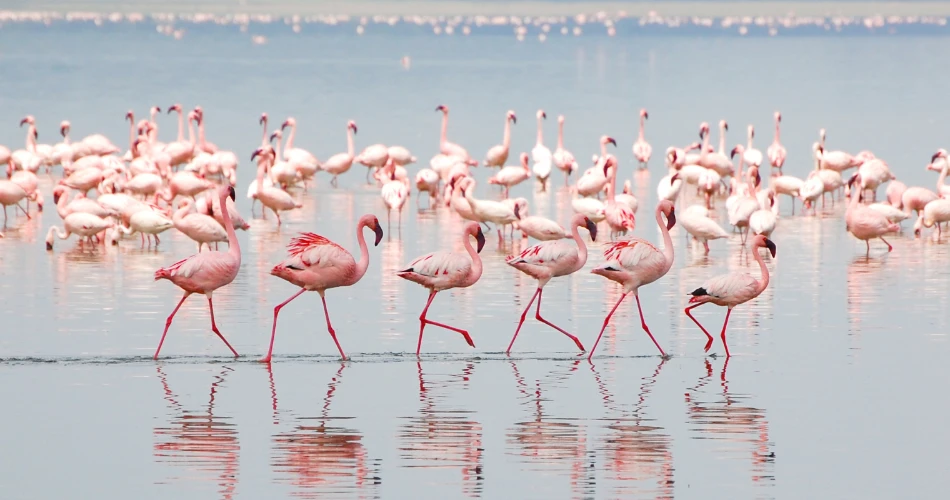
Visitors typically stand along the jetty or mudflat edges, binoculars and cameras in hand, quietly watching the flocks. On lucky days, you may spot thousands of flamingos feeding together, occasionally taking flight in unison—a sight that leaves even seasoned birdwatchers awestruck.
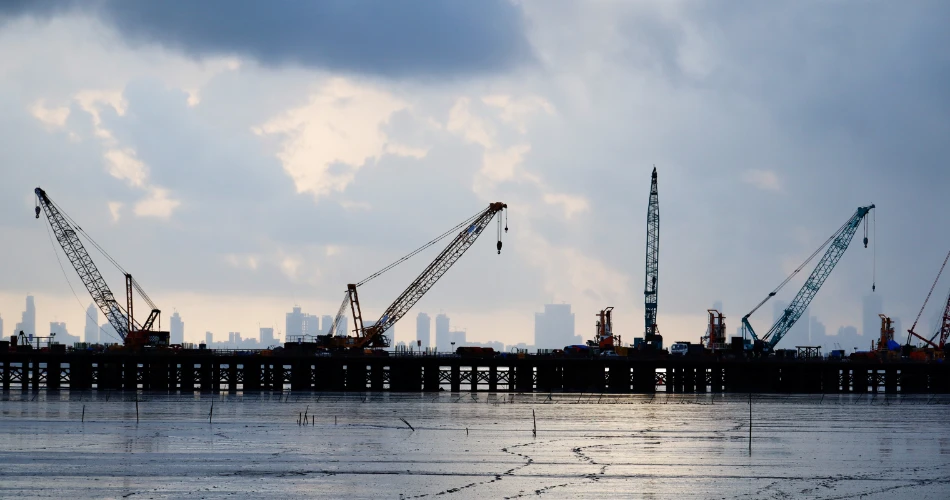
Photographers particularly love this spot, as the contrast of bright pink birds against the muted backdrop of Mumbai’s industrial skyline creates a dramatic scene.
How to Reach Sewri Flamingo Point
Getting to Sewri is relatively simple:
-
By Train: The nearest station is Sewri on the Harbour Line. From there, it’s a short rickshaw ride to the jetty.
-
By Road: If traveling by car, you can drive towards Sewri and park near the jetty.
-
By Public Transport: Buses and taxis are also available from various parts of the city.
It’s advisable to wear comfortable shoes since you may need to walk across uneven paths. Carry water, light snacks, and most importantly, binoculars or a good zoom lens for the best viewing experience.
Conservation and Challenges
While Sewri Flamingo Point is a natural wonder, it faces challenges from urbanization and development projects along Mumbai’s eastern waterfront. Wetlands are fragile ecosystems, and increased industrial activity poses a threat to the birds’ habitat.
Several conservation groups and birdwatchers have been advocating for the protection of the mudflats, highlighting the importance of maintaining biodiversity in the city. Visiting responsibly—avoiding littering, keeping noise levels low, and respecting the birds’ space—helps preserve the site for future generations.
Why You Should Visit Sewri Flamingo Point
For those seeking a break from Mumbai’s hustle, Sewri Flamingo Point offers a rare chance to reconnect with nature. It’s not just about birdwatching—it’s about experiencing the harmony of wildlife and city life coexisting side by side.
Whether you’re an avid birder, a budding photographer, or simply someone curious about the natural world, this spot gives you memories that last a lifetime. Watching flamingos in flight, hearing the sounds of migratory birds, and standing on the edge of the mudflats is an experience that words can barely capture.
Final Thoughts
Mumbai may be known for Bollywood, business, and beaches, but Sewri Flamingo Point shows another side of the city—a side where nature silently creates its own spectacle. Each winter, the flamingos remind us that despite the concrete and chaos, there’s still room for beauty, calm, and wonder.
So, the next time you’re in Mumbai during flamingo season, make sure to take a detour to Sewri. Bring your binoculars, keep your camera ready, and prepare to witness one of the most magical sights the city has to offer.